
Luxury Villas in India for Sale
Most people who buy a luxury villa have lived in a premium apartment first. And most of them will tell you the same thing: no matter how good the apartment was, it could not give them what a villa does — a private garden, walls that share no boundary with a neighbour, and an entrance that belongs entirely to their family.
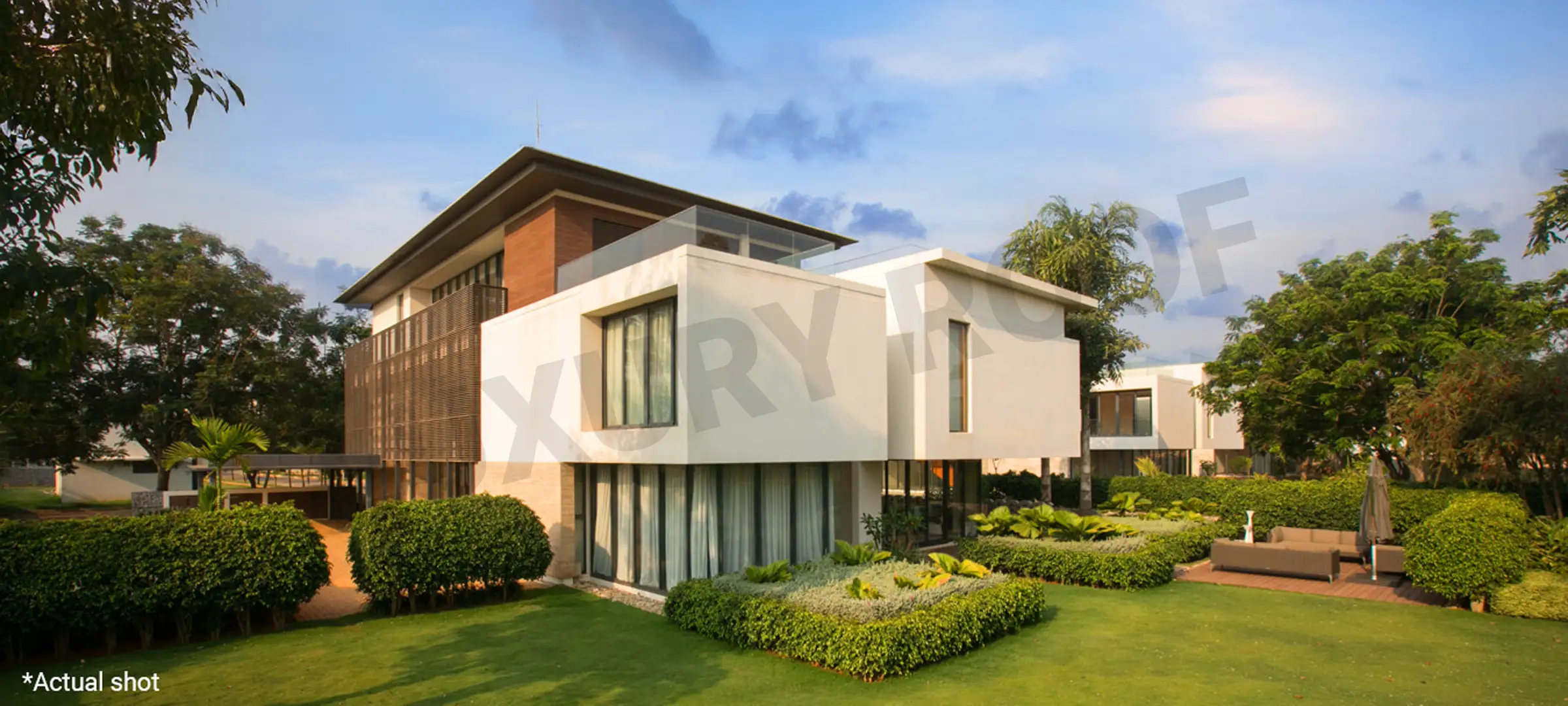
Embassy Boulevard
Yelahanka, Bangalore
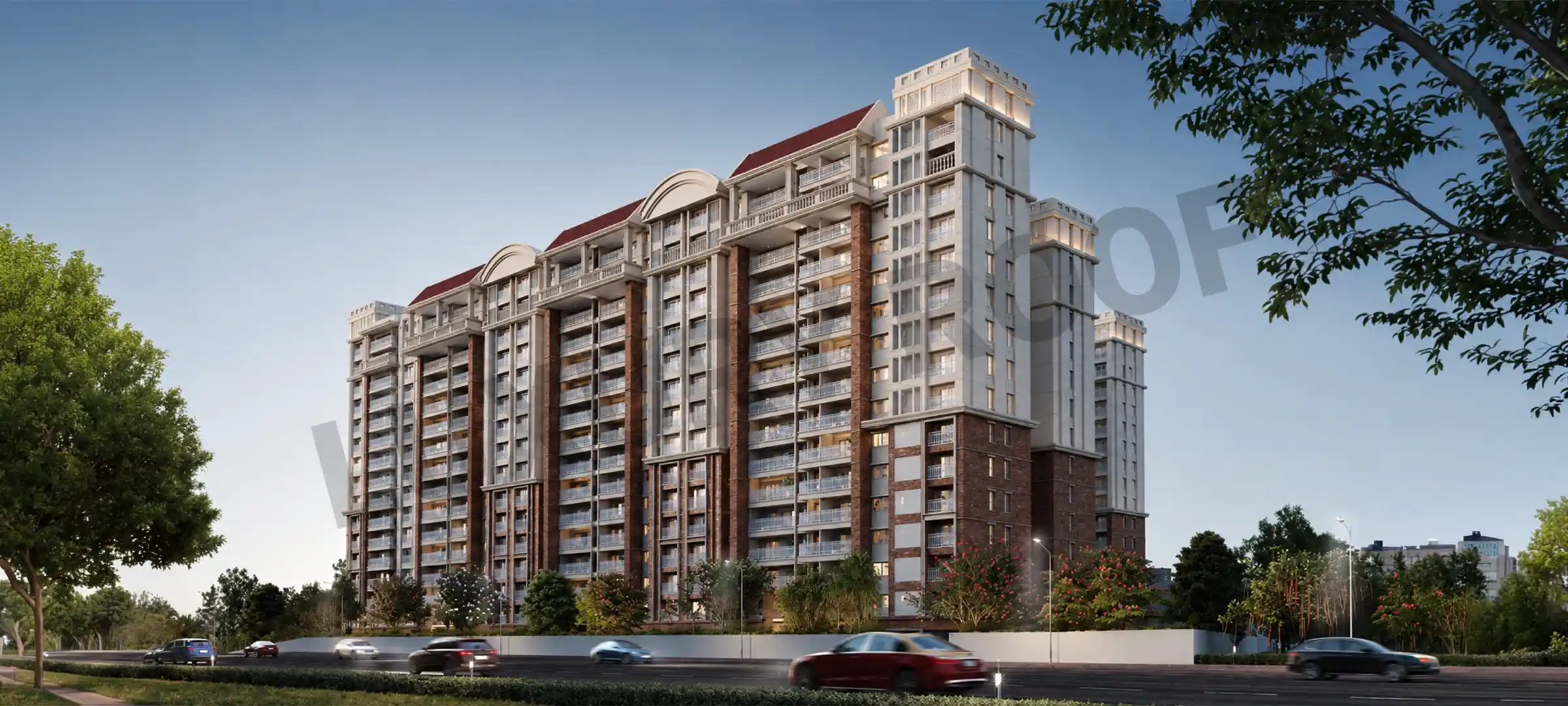
Brigade Insignia Yelahanka
Yelahanka, Bangalore
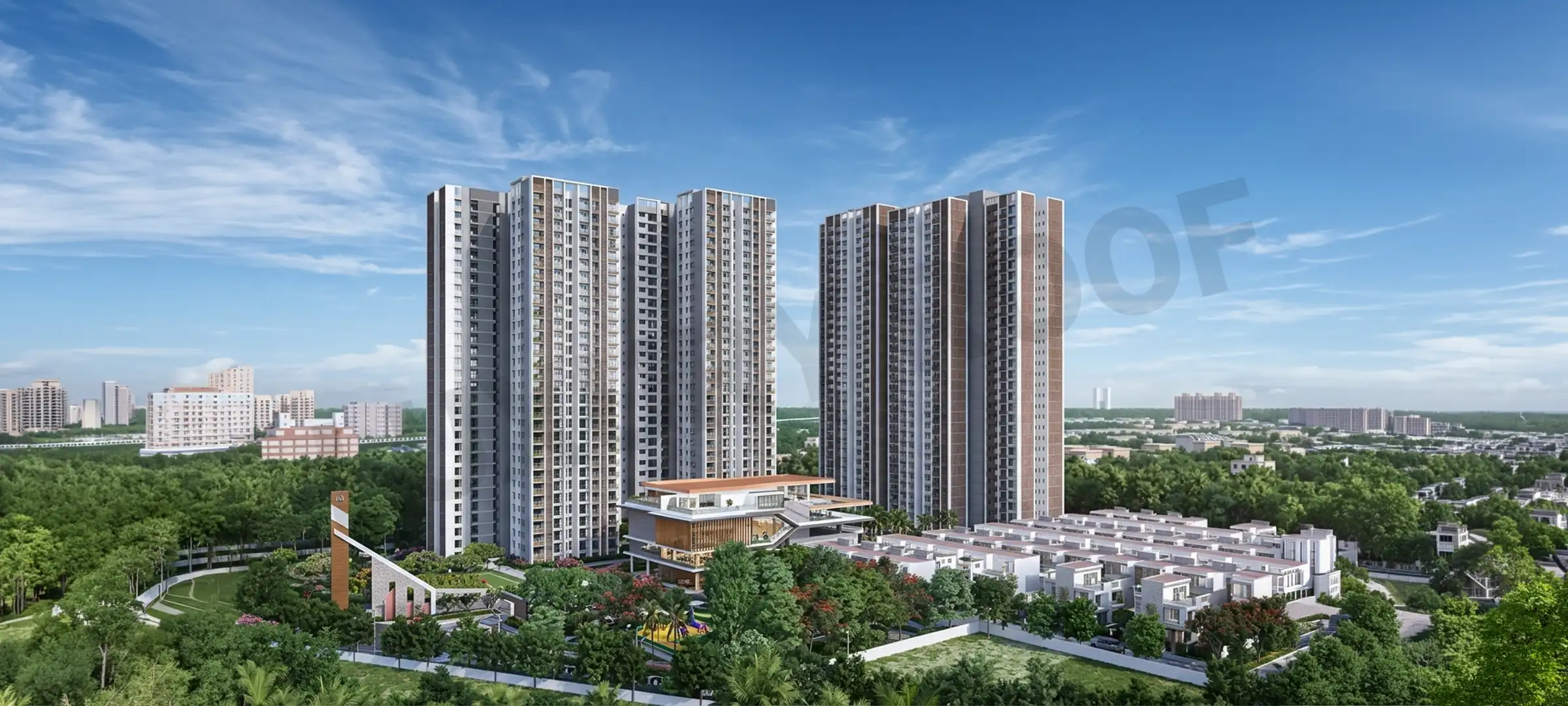
Sattva Songbird Old Madras Road
Old Madras Road, Bangalore
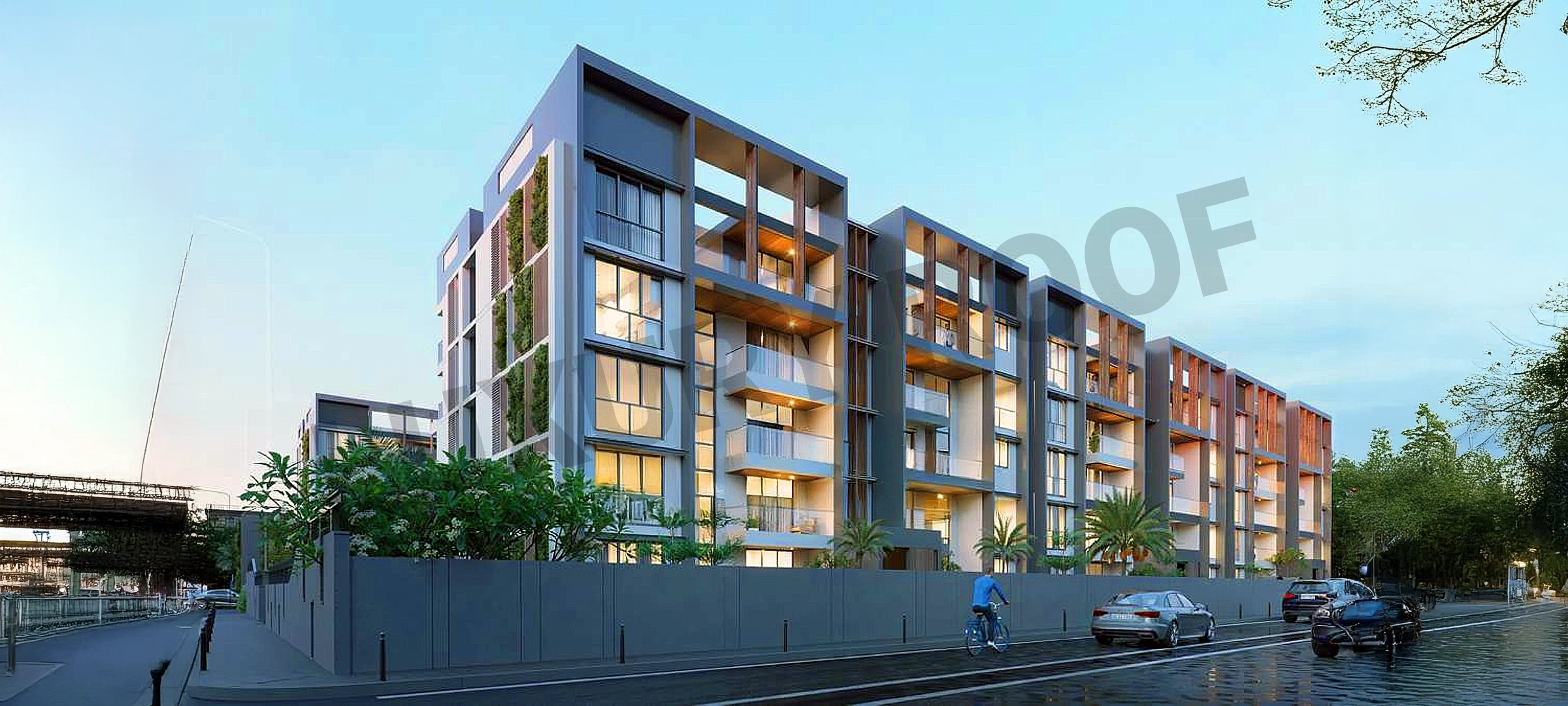
Radiance Floresta
Hennur Road, Bangalore
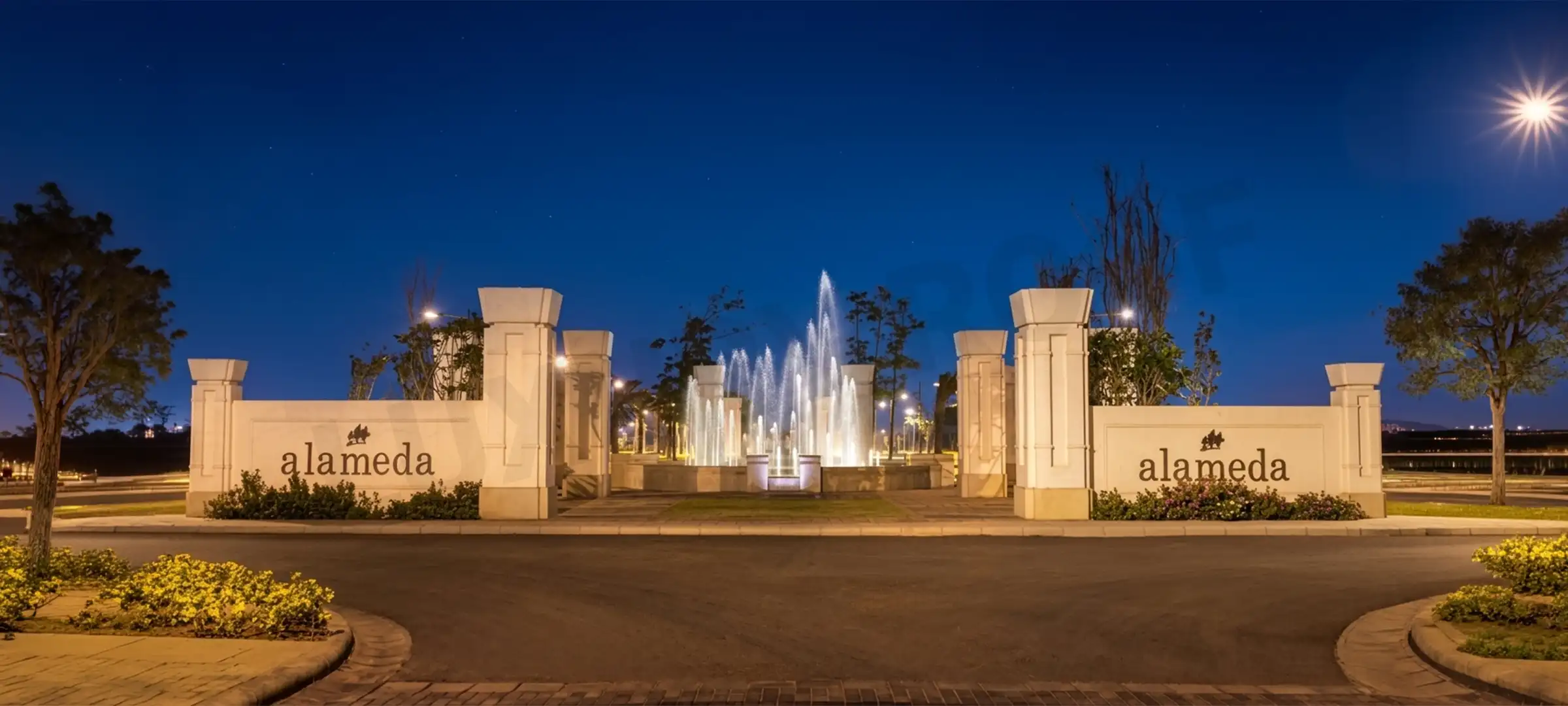
Dlf Alameda
Sector 73, Gurgaon
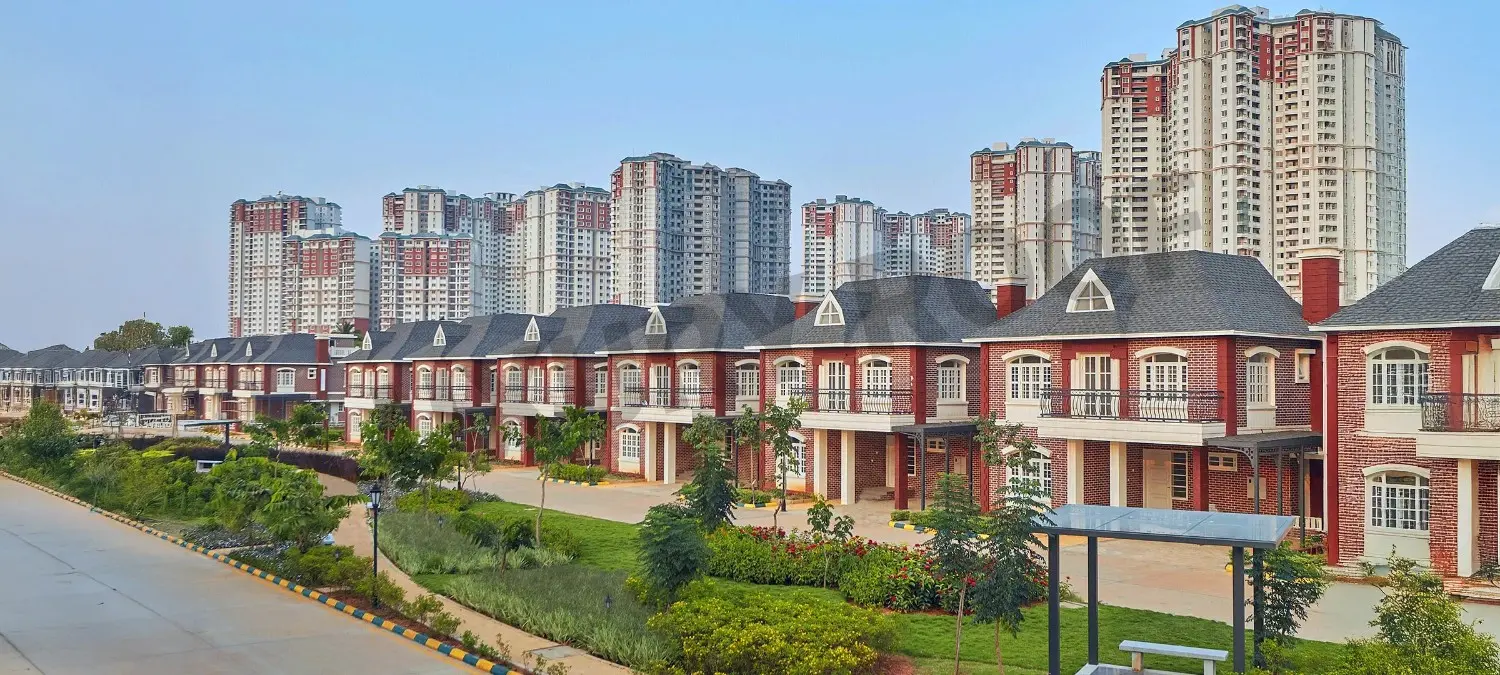
Prestige Lakeside Habitat
Gunjur, Near Varthur, Bangalore
Frequently Asked Questions (FAQs)
1. What is a luxury villa?
A luxury villa is an independent residential structure on a private plot of land. It shares no wall, ceiling, or floor with any other home. The plot belongs to the buyer — meaning a private garden, dedicated parking within your own boundary, and a separate entrance that no neighbour shares. In a gated villa community, individual villas sit within a managed perimeter with shared infrastructure like clubhouses and security. In an independent bungalow, the entire property — land, structure, and perimeter — belongs solely to the owner.
2. How is a luxury villa different from a luxury apartment?
Three things separate them. First, density — a villa sits on its own plot, typically 1,500 to 6,000 sq. ft. of private land, with no neighbours directly above, below, or through a shared wall. Second, land ownership — villa buyers own the land beneath their home, not just the built-up space. Land in well-located corridors appreciates independently of construction age. Third, independence — your entrance, garden, parking, and outdoor space are entirely yours. The trade-off is that maintenance of the structure and plot is the owner's responsibility, not a shared maintenance fund.
3. What makes a villa a luxury villa?
The word luxury is overused in Indian real estate. In practical terms, a villa earns that description when four things are true: the developer has delivered previous projects on schedule and the quality holds up years after possession; the construction uses materials that do not need replacement within the first decade; the plot area gives residents meaningful outdoor space rather than a token strip of grass; and the location puts residents within a practical distance of the infrastructure they actually use — offices, schools, hospitals, and transport hubs. We evaluate every project on this page against all four before listing it.
4. What is the price range of luxury villas in India?
Luxury villa prices in India vary significantly by city and corridor. In Bangalore, gated villa communities start from ₹2.20 crore for a 3.5 BHK in North Bangalore and go up to ₹27 crore for a 5 BHK ultra-luxury villa on 6,000 sq. ft. of private land in Yelahanka. In Gurgaon, premium villa communities on Golf Course Extension Road and SPR corridor start from ₹3 crore and go up to ₹25 crore+ for independent bungalows. Standalone farmhouses and weekend homes near major metros can range from ₹1.5 crore to ₹50 crore+ depending on land area and location.
5. Are luxury villas a good investment?
The investment case for a luxury villa rests on land scarcity. In established corridors near India's major cities, land suitable for low-density villa communities is genuinely finite. Once the surrounding area fills up, the project cannot be replicated. This supply constraint — combined with rising demand from senior professionals, NRIs, and buyers upgrading from apartments — has driven consistent appreciation in well-located villa communities. The key variables are developer track record, RERA compliance, and the corridor's infrastructure trajectory. We recommend evaluating each project individually rather than making a blanket decision about villas as an asset class.
6. What amenities come with luxury villas?
Amenities depend on whether the villa is part of a gated community or a standalone structure. Gated villa communities include shared facilities — clubhouse, swimming pool, gymnasium, landscaped gardens, children's play areas, sports courts — alongside the private amenities within each villa such as garden, parking, and terrace. Standalone independent villas have no shared amenities; everything within the plot boundary is private and the owner's responsibility. When comparing villa projects, look at the plot area, built-up area, and shared amenity quality separately — they are three distinct components of what you are paying for.
7. How do I verify the legal status of a luxury villa before buying?
Five steps cover the most critical legal checks. Verify RERA registration on the state RERA portal using the project's registration number — check the registered possession date, approved plan, and the developer's previous project history. Commission an independent title search through your own lawyer, not the developer's recommended lawyer, to confirm clear ownership and no encumbrances on the land. Check building plan approval from the relevant authority. Review the sale agreement with your lawyer before signing. If the project is in Karnataka, specifically check the Khata status — a B Khata property has legal limitations that affect future resale and utility connections. Our team guides buyers through all five steps as part of our standard service.
8. Are luxury villas suitable for large or multi-generational families?
Yes — and this is one of the strongest practical reasons to choose a villa over an apartment for families where grandparents, parents, and children share one home. The floor-wise structure of a villa gives different generations their own space while keeping the family within one boundary. Private gardens give elderly family members outdoor access without leaving the home. Children have outdoor space without crossing a shared lobby or taking a lift. The absence of shared walls means the household runs on its own schedule without concern for neighbours on the other side.
9. Are the villa projects on this page RERA registered?
Yes. Every project listed on this page has been verified for RERA registration before going live. The RERA number for each project is available on the individual project page. We recommend independently verifying the RERA status on your state's RERA portal before making any payment — registration details, approved plans, possession timelines, and developer history are all publicly accessible. If you need guidance on how to read the RERA portal data for a specific project, our team will walk you through it.